 100% Secure Payments
Spring Airflow Problems Most Facilities Overlook


Spring often feels like a welcome reset for facilities. Outdoor temperatures are mild, HVAC systems aren’t under heavy strain, and facilities layout changes are on the horizon. But that temporary comfort can be misleading. NIOSH notes that indoor heat exposure can affect comfort and performance even when HVAC systems are operating normally during seasonal transitions. For many businesses, spring is when airflow problems quietly take shape—only to turn into major issues once summer arrives.
Addressing airflow early supports comfort, safety, and operations long before heat becomes unavoidable.
The False Comfort of Mild Temperatures
During spring, spaces may feel acceptable even when airflow is uneven or inconsistent. Cooler mornings and moderate afternoons can mask stagnant zones, stratified air, or areas with limited circulation. As a result, fans and HVAC may be off and airflow performance isn’t closely evaluated.
The challenge is that airflow issues don’t suddenly appear in summer—they’re already there. Spring simply makes them easier to ignore. When temperatures climb, those same areas often become the first to experience discomfort, complaints, and productivity impacts.
Humidity Buildup and Early Condensation
Rising humidity is one of spring's most overlooked operational challenges. Without consistent air movement, moisture lingers in the air and settles on surfaces, especially near ceilings, walls, and equipment.
Signs often start small: damp floors near entrances, condensation on metal surfaces, or a noticeable rise in musty odors. Over time, excess moisture can contribute to corrosion, equipment wear, and air quality concerns. Because spring temperatures still feel manageable, humidity problems are often deprioritized until they become harder to control.
Balanced airflow plays a critical role in moisture control, helping distribute air evenly and reduce pockets where humidity can build up unnoticed.

Early Heat Stress Warning Signs
Heat stress doesn’t start with extreme heat—it starts with subtle signals. In spring, facilities may notice small shifts: employees feeling fatigued sooner, certain work areas warming faster than others, or productivity dipping in specific zones.
These early warning signs are easy to overlook or attribute to seasonal transitions. But they often point to uneven airflow or stagnant air that will worsen as outdoor temperatures increase. Identifying these signals early allows teams to take a proactive approach—supporting comfort, safety, and consistency before summer conditions arrive.
Dock Doors and Perimeter Blind Spots
Dock areas, entrances, and perimeter zones are common airflow blind spots—especially during spring. With doors opening more frequently, outside air brings in humidity, temperature swings, and pressure changes.
Without intentional airflow support, these areas can trap warm, stagnant air. Adjacent spaces—like offices, staging zones, and break areas—often feel the effects first. Because these zones sit at the edges of a facility, airflow gaps here are frequently missed during day‑to‑day operations.
Spring is the right time to observe how airflow behaves around these transition areas before summer traffic and heat levels increase.
Why Spring Is the Time to Pay Attention
Spring offers a valuable opportunity to evaluate airflow when systems are under lighter demand. Without peak summer conditions, it’s easier to identify uneven temperatures, stagnant zones, and circulation challenges—without reacting under pressure.
Facilities that take airflow seriously during shoulder seasons are better positioned to:
-
Support consistent comfort across work areas
-
Reduce strain on HVAC systems
-
Address humidity proactively
-
Prepare teams for rising temperatures
Most importantly, early attention helps prevent surprise issues during the busiest and hottest months of the year. As part of Hunter Industrial’s Partner for Life Promise, we also offer Precision Maintenance and Support—designed to give customers added peace of mind through routine service, expert guidance, and ongoing support.

Review Common Airflow Problem Areas
If your facility feels comfortable right now, spring may be the ideal time to look closer. Walk the space, listen to employees, and observe where air feels still, humid, or uneven—especially near dock doors, staging lanes, break areas, and transition zones. These conditions rarely resolve themselves, once summer arrives.
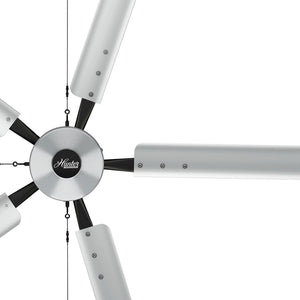
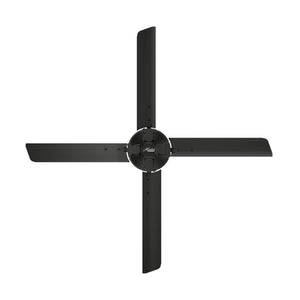
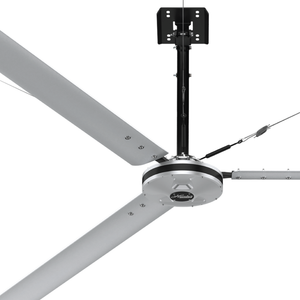
This early review also helps identify where different airflow solutions can work together. Jan Fan and Hunter Air Circulators are well suited for pinpointing still air near doors, loading zones, and workstations—delivering focused, directional airflow exactly where activity happens. In larger dock and warehouse areas, HVLS ceiling fans can support broader air distribution, help balance temperatures and reduce stratification beyond the dock. HVLS ceiling fans like the Titan HVLS Fan can help support broad air distribution and reduce stratification across your space. Titan is a strong fit when facilities need a high-performance, energy-efficient HVLS solution built for large, real-world industrial environments—aligned with a long-term approach to airflow readiness.
Reviewing common airflow problem areas now allows facilities to plan intentionally supporting comfort, efficiency, and operations through every season, rather than reacting after heat becomes unavoidable.