 100% Secure Payments
Winter Readiness Checklist: How Facility Managers Can Optimize Airflow as Temperatures Drop


As winter approaches, facility managers face a familiar set of challenges: uneven temperatures, cold floors, condensation, and employee discomfort. In large commercial and industrial spaces, these issues are often tied not just to heating systems, but to airflow management.
This winter readiness checklist highlights key airflow considerations to help facility managers improve employee comfort, safety, productivity, and operational efficiency throughout the colder months.
1. Evaluate Heat Stratification in Large Spaces
In warehouses, manufacturing plants, and other high-ceiling facilities, warm air naturally rises and collects near the ceiling while cooler air remains at floor level. This heat stratification can leave employees feeling cold even when thermostats indicate adequate temperatures.
Facility managers should watch for temperature differences between floor and ceiling levels, extended heating runtimes, or recurring comfort complaints. Addressing stratification through proper air circulation helps redistribute warm air evenly across the space and supports more efficient heating.
2. Identify Cold Spots and Draft Areas
Cold zones frequently develop near loading docks, doors, and perimeter workstations. These temperature inconsistencies can impact employee comfort and slow productivity during winter months.
Signs to look for include employees avoiding certain areas, wearing excessive layers, or reporting uneven temperatures. Maintaining consistent airflow throughout the facility helps minimize cold pockets and create a more uniform working environment.
3. Monitor Condensation and Moisture Buildup
Winter temperature swings can cause condensation on floors, walls, ceilings, and equipment—particularly in facilities with frequent door openings or fluctuating humidity levels.
Managers should regularly inspect docks, entrances, and high-traffic areas for moisture accumulation, slippery surfaces, or early signs of corrosion. Steady air movement helps reduce condensation, supporting safer walkways and protecting equipment and inventory.
4. Support Indoor Air Quality During Cold Weather
During winter, reduced air movement and closed doors can lead to stagnant air, lingering dust, or trapped fumes. Poor air circulation may affect employee comfort and focus.
Facility managers should note areas where air feels stale or heavy and monitor changes in airborne particles. Continuous, low-speed air circulation helps keep air mixed and supports healthier indoor environments year-round.

5. Confirm Fans Are Configured for Winter Operation
Industrial ceiling fans are often associated with summer cooling, but proper winter configuration is just as important. Fans running at incorrect speeds or directions may limit their effectiveness during colder months.
Before winter sets in, managers should verify fan direction is set for destratification, speeds are kept low and consistent, and controls are functioning properly. Correct setup ensures airflow works in tandem with heating systems.
6. Plan for Seasonal Operational Changes
Winter often brings changes in staffing levels, production schedules, or facility layouts. Temporary work zones, seasonal inventory, or extended operating hours can all influence airflow needs.
Reviewing how air moves through newly configured spaces helps maintain comfort and consistency as operations shift.

How Hunter Industrial Supports Winter Readiness
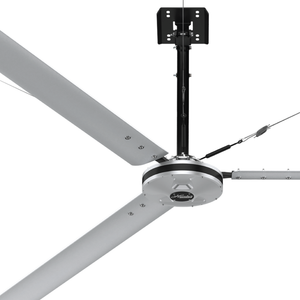
Effective winter preparation goes beyond thermostat adjustments—it requires a thoughtful airflow strategy. Hunter Industrial’s HVLS fans and airflow solutions are designed to support facilities year-round by improving air circulation, reducing heat stratification, managing moisture, and enhancing overall comfort.
By pairing HVLS fans with targeted air circulators and intelligent controls, facilities can better distribute warm air, maintain consistent temperatures, and create safer, more productive environments during the winter months.
With durable designs, scalable solutions, and a Partner for Life approach to support, Hunter Industrial helps facility managers prepare for winter with confidence—keeping operations running efficiently no matter the season.